Aprenda cuándo reemplazar un elemento de filtro hidráulico comprobando presión diferencial, contaminación, daños medios, sellos, análisis de aceite y registros de mantenimiento.
Los elementos de filtro hidráulico protegen bombas, válvulas, actuadores y componentes de precisión de partículas que pueden causar desgaste, adherencia, fuga y tiempo de inactividad no programado. Reemplazar un elemento demasiado temprano aumenta el costo de mantenimiento, mientras que dejarlo en servicio durante demasiado tiempo puede reducir el flujo de petróleo y permitir que la contaminación circula a través del sistema.
El intervalo de reemplazo correcto no se basa en un solo número. Debe combinar la orientación del fabricante de equipos con lecturas de presión diferencial, análisis de aceite, resultados de inspección y el entorno operativo real. Esta guía explica las pistas prácticas que los equipos de mantenimiento deben revisar antes de decidir cuándo reemplazar un elemento de filtro hidráulico.
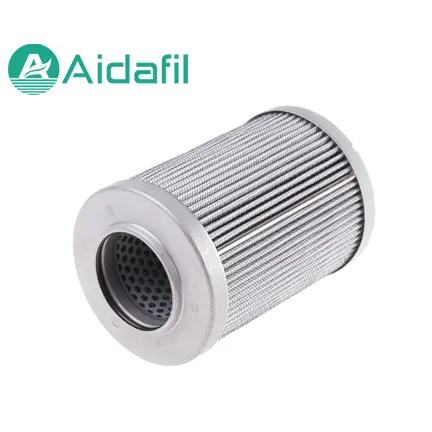
Comience con el intervalo de mantenimiento del equipo
El manual de equipo, las instrucciones de filtración y el plan de mantenimiento proporcionan la base de referencia para la inspección y sustitución. Algunos sistemas especifican intervalos basados en el tiempo, mientras que otros requieren sustitución en un umbral de presión diferencial o después de un cierto número de horas de funcionamiento.
El manual también puede definir el nivel aceptable de limpieza de aceite, clasificación de filtros, ajuste de bypass y material de sellado compatible. Siga estos requisitos antes de aplicar reglas generales de mantenimiento. Si la máquina opera en un entorno polvoriento, húmedo, de alta temperatura o de alta calidad, es posible que el intervalo de inspección sea acortado.
Ocho pistas que un elemento de filtro hidráulico necesita atención
| Clue | Qué puede indicar | Qué comprobar |
|---|---|---|
| 1. Presión diferencial creciente | El elemento está cargando con contaminación o resistencia al flujo ha aumentado | Lecturas de Gauge, historial de tendencias y umbral de sustitución del sistema |
| 2. Resultados deficientes del análisis de petróleo | Las partículas, el agua o los metales de desgaste superan el nivel de destino | Conteo de partículas, humedad, viscosidad y tendencias de desgaste |
| 3. Contaminación visible | Los lodos, partículas metálicas o materiales extranjeros están presentes | Superficie de elementos, vivienda interior y condición de aceite |
| 4. Medios dañados o colapsados | El elemento ya no puede proporcionar una filtración fiable | Deformación agradable, lágrimas, agujeros y condición de extremo |
| 5. Deterioro del sello | Leakage o bypass líquido puede ocurrir | Cracks, endurecimiento, inflamación y asientos de foca |
| 6. Flow or temperature changes | Flow restriction, oil condition or operating conditions have changed | Flow, pressure drop, oil temperature and viscosity |
| 7. Repeated alarms or component wear | Contamination is reaching sensitive parts | Valve response, pump condition, alarms and repair history |
| 8. Maintenance history | The element may be overdue or unsuitable for current duty | Installation date, running hours, previous oil and repair records |
1. Review differential-pressure trends
Differential pressure is one of the most useful indicators of filter loading. A single reading can be affected by oil temperature, viscosity and flow, so compare it with the normal operating condition and previous readings.
Follow the equipment manufacturer's replacement threshold. Do not wait for a bypass valve to open as the normal replacement method. A bypass may protect the system from loss of flow, but it also means unfiltered oil can pass through the filter housing.
If differential pressure rises quickly after a new element is installed, investigate the source of contamination instead of repeatedly replacing filters without correction.
2. Use oil analysis as supporting evidence
Oil analysis can reveal contamination that is not visible in a filter inspection. Review particle counts, moisture, viscosity and wear-metal trends together. A single report is useful, but a trend is more reliable for maintenance planning.
If contamination increases while differential pressure remains low, check for air ingress, water ingress, damaged seals, dirty oil additions or a filter that is not suitable for the circuit. If particle counts improve after replacement and then rise again quickly, the system may have an ongoing contamination source.
3. Inspect the used element carefully
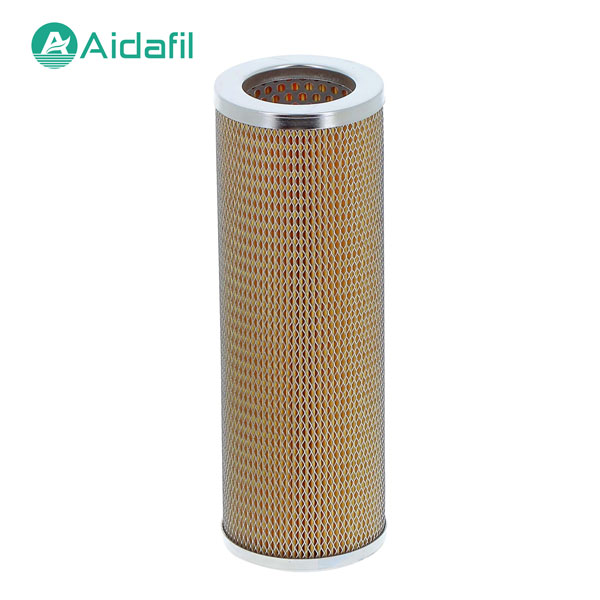
Inspect the removed element before discarding it. Record the part number, installation position, operating hours and any visible damage. Look for:
- metal particles or sludge on the media;
- collapsed, twisted or uneven pleats;
- tears, holes or separation at the end caps;
- hardened, cracked or swollen seals;
- corrosion or deformation of the support structure;
- signs that oil has bypassed the sealing area.
Do not judge an element only by its external colour. Dark media may be normal in some systems, while a lightly coloured element may still be damaged or incorrectly rated.
4. Check the complete replacement specification
A replacement element should match the system requirements, not only the appearance of the old part. Confirm outside diameter, inside diameter, overall length, connection details, seal dimensions and flow direction.
Also verify the filtration rating, filter media, collapse resistance, bypass arrangement and fluid compatibility. The part number may identify a family, but the full configuration can include suffixes that change the seal, connection or filtration specification.
For help interpreting a reference, read the filter cross-reference verification guide. For hydraulic systems, browse the hydraulic filter element category or review the complete Catálogo de productos AIDA.
5. Do not clean a disposable element unless the supplier permits it
Many hydraulic filter elements are intended for one-time use. Cleaning methods that use compressed air, water, brushes or solvents can damage the filter media, alter the pore structure or leave contamination behind.
Only clean an element when the equipment manual or element supplier specifically permits the procedure. Even when cleaning is allowed, verify the filtration performance and inspect the element for damage before returning it to service.
6. Investigate repeated element failures
Frequent replacement can be a symptom rather than the root cause. Check for contaminated oil additions, damaged breathers, worn pump components, failed seals, excessive heat, incorrect oil viscosity or a filter selected for the wrong flow and pressure conditions.
If the same element collapses or loads quickly, provide the equipment model, part number, oil type, operating temperature, flow, pressure and oil-analysis results to the filter supplier. A technical review may identify a compatibility or application problem that normal replacement cannot solve.
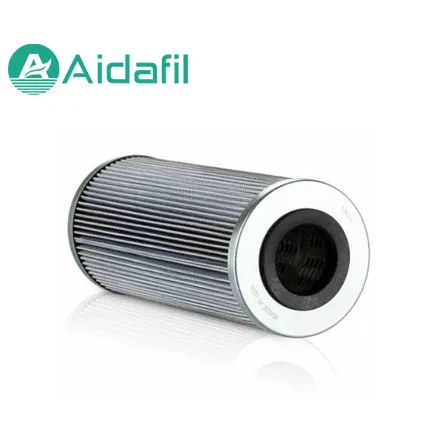
A practical replacement record
Keep a short record for each replacement so future decisions are based on evidence:
- Equipment model and installation position
- Complete element part number and alternate reference
- Installation date and running hours
- Differential-pressure reading before removal
- Oil-analysis result and oil condition
- Inspection findings and photographs
- Replacement reason and next inspection date
This record makes it easier to compare service life, identify contamination trends and select the correct replacement specification.
Preguntas frecuentes
How often should a hydraulic filter element be replaced?
Follow the equipment manufacturer's maintenance interval and replacement threshold. For critical systems, combine that guidance with differential-pressure trends, oil analysis and inspection results.
Can I replace the element only when the bypass opens?
No. The bypass opening point is not normally the intended replacement schedule. Replace according to the manufacturer's specified differential pressure or maintenance interval.
Can I clean and reuse a hydraulic filter element?
Only if the element supplier or equipment manual explicitly permits cleaning. Many disposable elements cannot be cleaned safely.
Why does a new filter element load quickly?
Possible causes include contamination in the system, incorrect oil viscosity, excessive flow, a damaged seal or an unsuitable replacement element. The cause should be investigated.
What information is needed to confirm a replacement?
Provide the complete part number, equipment model, installation position, dimensions, seal details, filtration rating, oil type and operating conditions.
If you need help confirming the right replacement, use the filter selection FAQ or contact our technical team with photos, measurements and equipment details.
Conclusión
Hydraulic filter replacement should be based on more than time in service or visual appearance. Use the equipment specification as the baseline, then review differential pressure, oil analysis and inspection evidence. Confirm the complete replacement design before ordering, and investigate repeated failures instead of accepting them as normal.
A consistent inspection and record-keeping process protects system reliability, improves maintenance planning and helps ensure that every replacement element fits the application.