


Utilice números de parte, dimensiones, datos de rosca y detalles de aplicaciones para verificar un elemento de filtro de reemplazo sin confiar en un número solo.
Introducción
Un número de parte de filtro es un punto de partida importante cuando se requiere un elemento de reemplazo, pero no siempre es suficiente para confirmar un partido seguro. Los sistemas de numeración cambian, los sufijos identifican diferentes versiones, y filtros similares pueden compartir un nombre familiar utilizando diferentes medios, sellos, dimensiones o calificaciones de presión.
Un proceso de referencia cruzada responsable compara el número existente con el producto físico, la aplicación del equipo y el rendimiento requerido. También documenta de dónde proviene la información. Este enfoque reduce el riesgo de ordenar un filtro que se ajuste a la vivienda pero no protege el sistema.
Esta guía explica cómo recopilar la información correcta, cómo comparar un número de pieza de filtro con un posible reemplazo, y cuando se debe solicitar un dibujo o muestra física.
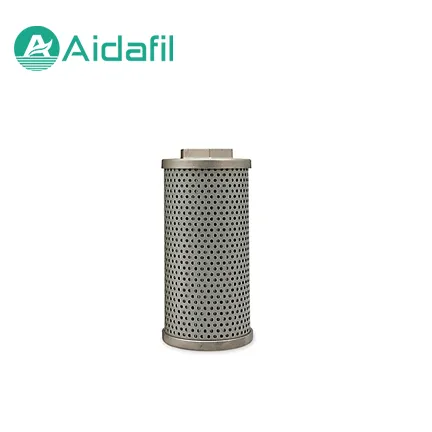
Qué número de pieza filtrante puede y no puede decirle
Un número de parte puede identificar una familia de productos, un tamaño nominal, una calificación de filtración, un estilo de conexión o una configuración interna. En algunos casos, también indica la versión o serie de producción del fabricante. Sin embargo, el mismo número se puede escribir con diferentes prefijos, sufijos, espacios o puntuación. Un número impreso en una etiqueta antigua puede referirse a un artículo superpuesto.
Por lo general, un número de parte por sí solo no puede confirmar:
1. El arreglo exacto de sellado
2.La especificación actual de los medios de comunicación
3.La presión del colapso del elemento
4. Requisitos de flujo y presión de la aplicación
5.Si un reemplazo anterior cambió la configuración original
6.Ya sea que la carcasa de filtro haya sido modificada
Por estas razones, la referencia cruzada debe tratarse como un proceso de verificación en lugar de una simple búsqueda de texto.
Recoger el número de la parte existente correctamente
Registre el número exactamente como impreso, incluyendo letras mayúsculas, hisofens, slashes, puntos decimales, y letras de sufijo. Tome una fotografía de la etiqueta, estampado o embalaje antes de limpiar o manejar el elemento. Si el número es difícil de leer, utilice más de un ángulo de luz y no sobreescriba el marcado original.
Compruebe si el número aparece en más de un lugar. Una etiqueta puede mostrar un número de ventas mientras que la tapa final muestra un número de producción. Note ambos sin asumir cuál es la referencia principal.
Si el número falta, no invente un sustituto basado en la apariencia. Muévete a la verificación dimensional y de aplicación.
Reunir los datos físicos y operativos
Un registro fiable de referencias cruzadas debería incluir:
1. Número de parte original y número superpuesto
2.Fotografías producto de varios ángulos
3.Altura total, diámetro exterior y diámetro interior
4.Tread, connection, and sealing details
5.Filtración y si es nominal o absoluto
6.Tipo de medios de difusión
7. Material de sellado
8.Flow rate and normal operating pressure
9.Maximum differential pressure or collapse requirement
10.Fluid type, viscosity, and temperature
11.Equipment model and filter location
If the filter is still installed, record the housing markings and the surrounding connection details. If the system has been modified, note the modification rather than assuming the original drawing still applies.
Understand the Difference Between a Part Number and a Cross-Reference
A part number identifies one manufacturer's item. A cross-reference is a relationship between that item and another product or reference number. A cross-reference can be useful, but it is only as reliable as the source and the data behind it.
A number may cross to several possible products because the original family had multiple configurations. One entry may match the dimensions but use a different media. Another may match the media but have a different seal. A proper comparison should show which attributes were confirmed and which remain uncertain.
Do not describe a product as an official, genuine, or authorized replacement unless that status is supported by the relevant manufacturer. For independent aftermarket products, use clear language such as compatible replacement option and confirm the final fitment through technical data.
A Practical Cross-Reference Workflow
Step 1: Normalize the Number
Remove only formatting that is clearly not part of the number, such as spaces added by a label printer. Keep suffixes and punctuation if they may carry meaning. Record the original form beside the normalized form.
Step 2: Search by Number and Variants
Check common variants, including a missing leading zero, a different separator, or a superseded suffix. Do not treat a search result as confirmation until the physical details agree.
Step 3: Compare Primary Dimensions
Compare height, outside diameter, inside diameter, and connection details. If any primary interface is different, stop and investigate before proposing a replacement.
Step 4: Compare Performance Data
Check filtration rating, media, flow capacity, pressure rating, temperature range, and seal compatibility. Confirm whether the existing application requires a specification that is not visible on the old element.
Step 5: Check the Installation Interface
Review seal contact surfaces, center-tube engagement, end-cap shape, bypass arrangement, and orientation. A filter can appear to fit while failing to seal or locate correctly.
Step 6: Document the Result
Record which attributes matched, which were obtained from a drawing, and which remain unverified. This is especially important when the customer needs a repeatable procurement reference.
Step 7: Confirm Before Ordering
Ask the supplier to state the basis of the cross-reference. If the information is incomplete, request a dimensional check or a sample review rather than relying on the number alone.
When a Drawing or Physical Sample Is Needed
A drawing or sample is often appropriate when the element is damaged, the marking is missing, the housing has been modified, or two products share similar dimensions. It is also useful for high-value equipment, critical hydraulic circuits, and applications where a filter failure could cause significant downtime.
A sample should be clean enough for safe handling and clearly labeled with the equipment model and operating issue. Do not send a contaminated element without following the applicable safety and shipping requirements.
Common Cross-Reference Mistakes
One common mistake is treating a web search result as an approved interchange. Another is ignoring a suffix because the main number appears to match. Teams also compare only the outside diameter and overlook the inside diameter, seal profile, or thread pitch.
A further risk is mixing a replacement into a system without confirming the required filtration rating. A filter that is physically compatible but has the wrong media or efficiency may allow particles to pass or may clog too quickly.
Finally, avoid using brand names in a way that suggests affiliation, authorization, or original-manufacturer approval. Use the reference number only to identify the item being compared.
Information to Send with an Inquiry
For a faster review, send:
11.The original part number and equipment model
12.Photos of the complete element and both ends
13.Height, outside diameter, and inside diameter
14.Thread and connection information
15.Filtration rating, media, and seal material if known
16.Operating pressure, flow, temperature, and fluid type
17.The reason for replacement and any symptoms observed
If the part number is unreadable, say so directly. A clear dimensional record is often more useful than an uncertain number.


